
Buying a Property on the Huelva Coast: What Foreign Buyers Need to Know
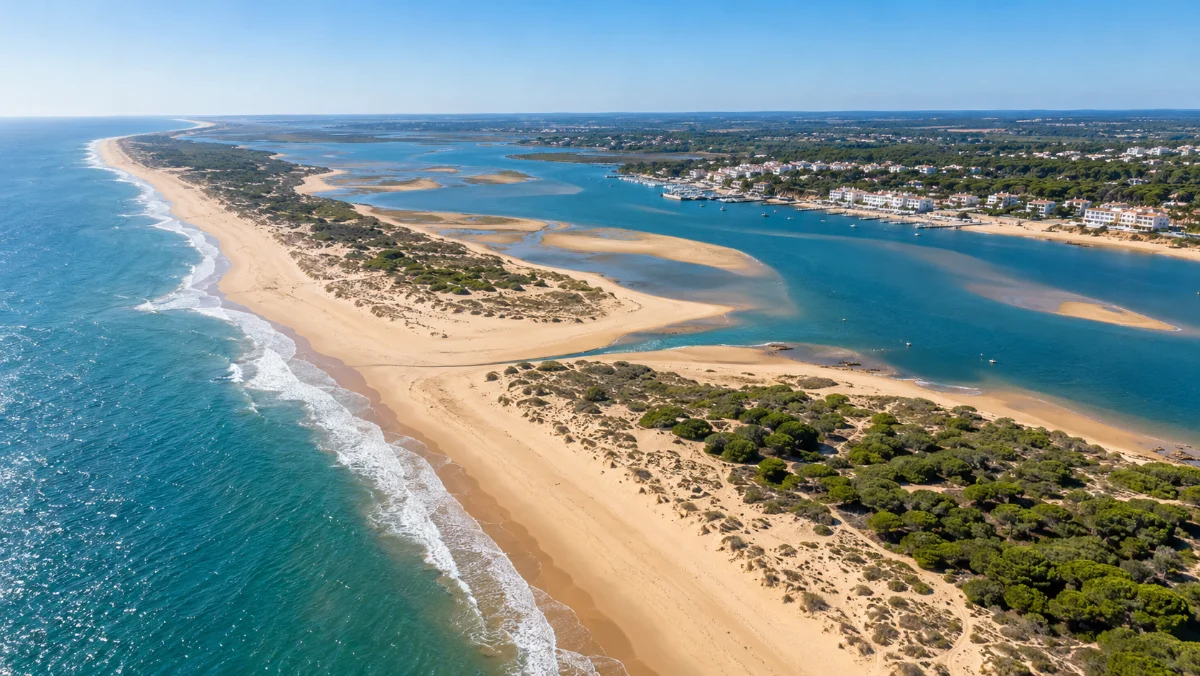
The coast of Huelva offers very attractive opportunities for those looking to buy a property in southern Spain.
From the beaches of Matalascañas to the residential areas of Mazagón, Punta Umbría, Isla Cristina and Ayamonte, the province combines natural beauty, quality of life and a diverse property market.
However, finding your dream property is not enough. It is essential to understand the procedures, taxes and potential legal restrictions affecting the property.
What are the main considerations to bear in mind?
1. The NIE and Procedures Before Buying
Before purchasing a property, you need to apply for a Foreigner Identification Number (Número de Identidad de Extranjero, or NIE).
You will also need to be able to provide evidence of the source of your funds when required under anti-money laundering regulations.
Do You Need a Spanish Bank Account?
In principle, having a Spanish bank account is not an essential requirement, although it undoubtedly makes it easier to pay the purchase price, taxes and other property-related expenses.
2. Checking the Legal and Planning Status of the Property
Before buying, the first step is to consult the Spanish Land Registry (Registro de la Propiedad), cadastral information, planning documentation and, where applicable, the relevant licences and administrative authorisations.
For a property with a garden, swimming pool, extensions or additional buildings, it is particularly important to check that any building work complies with the applicable regulations and has the necessary licences.
A property may be registered with the Land Registry and still have planning issues that affect its use, future renovations or value.
3. Legal Restrictions Affecting Properties Near the Sea
If the property is located close to the sea, it is necessary to check whether it is affected by the legally established boundaries of the maritime-terrestrial public domain (dominio público marítimo-terrestre), statutory easements or specific restrictions on use and construction.
These checks are particularly relevant on the Huelva coast, where established residential areas coexist with protected natural spaces and environmentally sensitive areas.
It is very important to understand that buying a house near the beach does not guarantee that you can freely renovate, extend or rebuild it.
Each property requires an individual assessment of its legal and planning status.
4. Buying a Property Near a Protected Natural Area
If the property is located near a natural park, a Natura 2000 site, a forest area or land subject to special protection, it is advisable to check which restrictions apply before completing the purchase.
These checks help to avoid unpleasant surprises and disappointment regarding what can be done with the property.
5. The Deposit Agreement and Signing Before a Notary
Once the circumstances outlined above have been checked, we can sign the deposit agreement (contrato de arras) and proceed with the necessary steps to formalise the purchase before a notary.
Buying by the Sea with a Clear Understanding of the Property
In short, to prevent the dream of owning a property by the sea from turning into a nightmare, it is essential to understand its legal status, limitations and possibilities before signing.